Confidential Pharmaceutical Client
This project is the portfolio proof point for scientific AI under real computational pressure. Dreamers built a high-performance discovery pipeline that generated, screened, and prioritized drug candidates before they reached a lab bench, combining simulation, machine learning, fragment libraries, ligand-binding models, and synthesis-feasibility logic into one decision-support system.
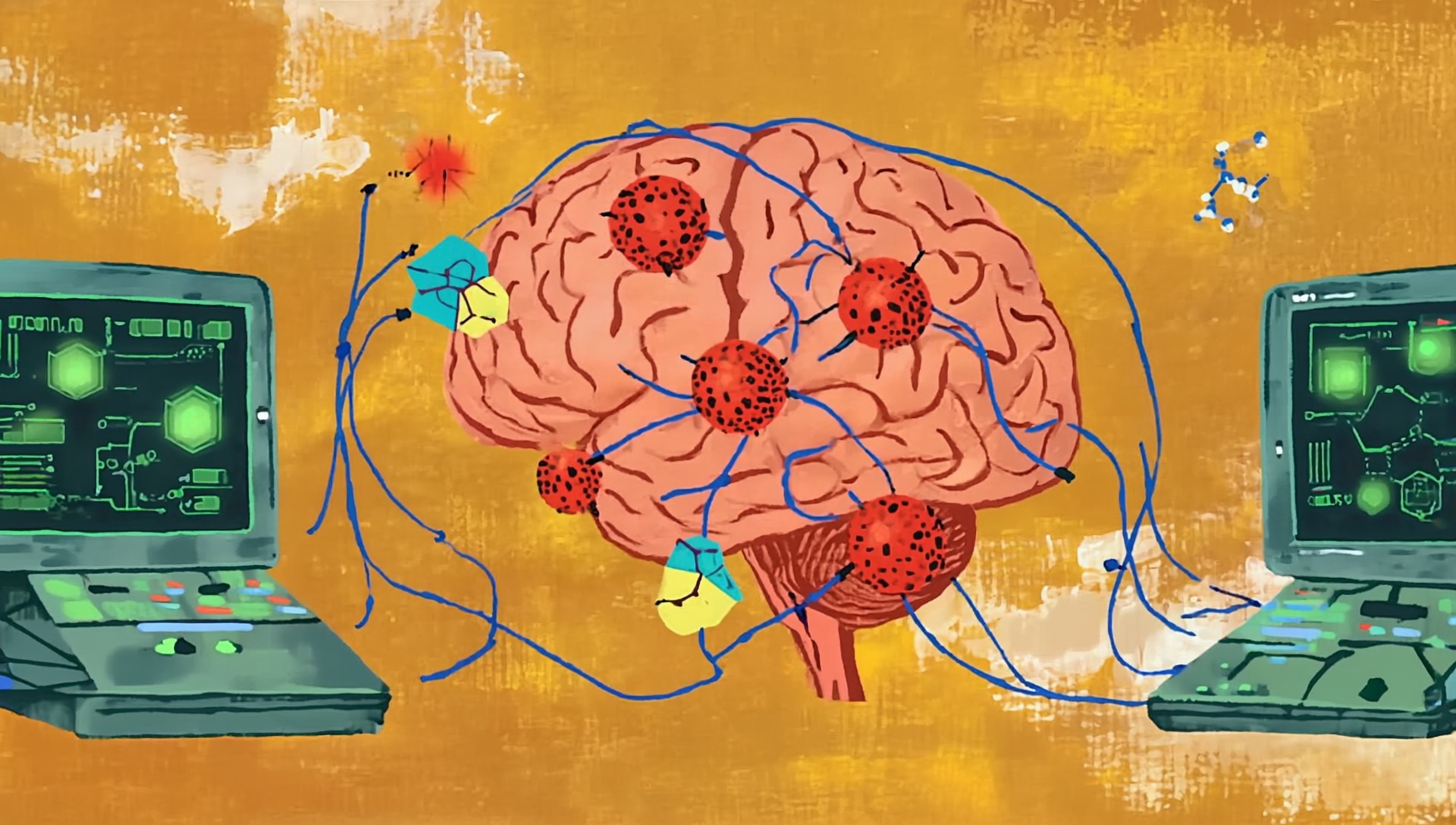
The point was not to replace chemistry with a magic model. That is how you get expensive nonsense in a lab coat. The point was to reduce the search space, focus wet-lab effort on better candidates, and help researchers move from computational exploration to scientific decisions faster. In modern terms, this sits near AI for drug discovery pipelines, computational chemistry, protein-ligand modeling, synthetic route planning, and scientific data engineering.
The practical architecture had to combine several kinds of evidence. Fragment libraries created a wider candidate field. Molecular simulation and ligand-binding analysis helped rank candidates by physical plausibility. Stability, lipophilicity, and synthesis-feasibility filters kept the system from falling in love with molecules that looked clever but would waste lab time. That mix matters because drug discovery is not one prediction problem; it is a sequence of expensive ways to be wrong.
This work page is the portfolio proof point: it tells a buyer that Dreamers can build scientific AI under real computational pressure. The HTML case study carries the deeper narrative around screening, simulation, binding analysis, and synthesis planning. Keeping those pages different is intentional. One answers "have they done serious scientific AI?" and the other answers "how did the pipeline actually reduce the candidate search problem?"